

Ask These Questions Before You Book a Repair
If your vacuum has stopped working, or isn't working the way it used to, the first thing to figure out isn't who can fix it. It's whether fixing it makes sense at all. Before you book anything, ask yourself and whoever you call these questions: What's actually wrong with it? Does the shop work on this brand? Are parts available? And is the repair cost close enough to a new machine's price that replacing it is the smarter move?
Those four questions sound simple, but most people skip straight past them and just drop the vacuum off somewhere. That's how you end up paying for a diagnosis on a machine that was never worth fixing, or walking away from a solid vacuum that only needed a ten-minute belt swap.
Is It Worth Repairing, or Should You Replace It?
This is the question that decides everything else, and it depends on two things: what the vacuum cost new, and what's actually broken. A clogged hose, a worn belt, a tangled brush roll, or a failing switch are usually straightforward and inexpensive to fix on most machines. A burned-out motor or a cracked housing is a different conversation, especially on a lower-cost model, because the repair can end up costing close to what a replacement would.
Well-built vacuums are generally worth repairing more often than cheaper ones, simply because the parts and the labor are proportionate to what the machine is worth. If a shop tells you honestly that replacement makes more sense for your situation, that's useful information, not a sales pitch. If you do end up needing a new machine, it's worth looking at current vacuum options rather than guessing at what to buy next.
Does the Shop Actually Work on Your Brand?
Not every repair shop services every brand, and that matters more than people expect. Vacuums are built differently depending on the manufacturer — some use proprietary parts, some are built to be opened and serviced for decades, and some are essentially disposable by design. Before you commit to a repair, ask directly whether the shop regularly works on your specific model, not just "vacuums" in general.
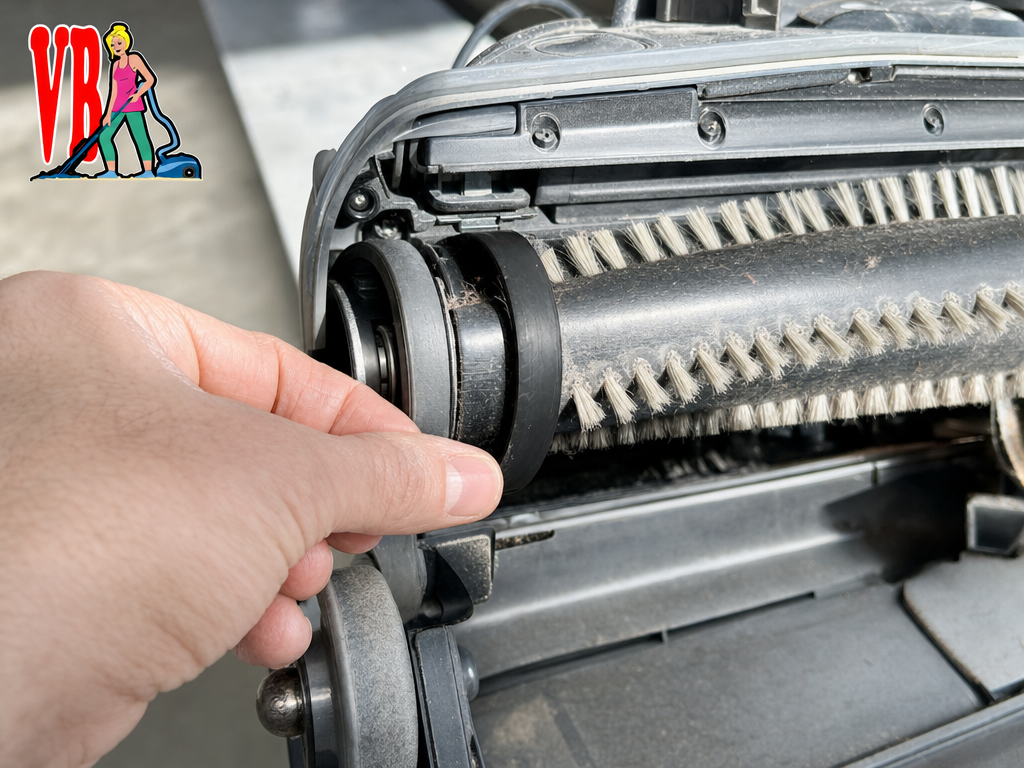
Kirby vacuums are a good example of a machine built to be repaired rather than replaced. They're designed with serviceability in mind, which is part of why they tend to hold their value and keep running long after cheaper machines have been thrown out. If you own one, it's worth reading about Kirby vacuum repair specifically, since the considerations are different from a typical upright.
What's Actually Wrong With It?
Before you agree to any repair, ask for a clear answer to this: what is the diagnosis, in plain language? "It needs service" isn't an answer. "The belt is worn and the brush roll bearing is seized" is. A shop that can tell you specifically what's wrong, and why, is a shop that's actually looked at the machine rather than guessing.
It's also fair to ask what happens if the diagnosis turns up something bigger once the vacuum is opened up. Knowing in advance whether you'll be consulted before additional work is done, rather than finding out after the fact, saves a lot of frustration later.
Does Your Climate or Household Change the Answer?
Where and how you use a vacuum affects what tends to go wrong with it. In humid conditions, filters and motors can work harder and wear differently than they would in a dry climate, which is worth factoring in if you're deciding between repairing an older machine and buying one built for the conditions it'll actually run in. We've written more about what to look for in vacuums suited to humid climates if that's a factor for you.
Pet hair is the other common culprit. It clogs brush rolls and filters faster than normal household dust, which means pet owners often see the same repair issues come up again and again. If that sounds familiar, it's worth looking at what makes a vacuum built for pet hair different before you decide whether to repair the one you have or replace it with something better suited to the job.
What to Ask Before You Hand Over Your Vacuum
Put together, the questions worth asking any repair shop are: Do you work on this brand? What's actually wrong with it, specifically? Will you check with me before doing anything beyond the original diagnosis? And honestly, is this worth fixing, or would I be better off replacing it? A shop that answers all four plainly is one you can trust with the decision, not just the repair.
Questions and answers
Is it worth repairing an older vacuum cleaner?
It depends on what the machine cost new and what's actually broken. Simple issues like belts, hoses, or brush rolls are usually worth fixing on most machines. Bigger issues, like a failed motor, are only worth repairing if the vacuum's original build quality justifies the cost — which is why well-built machines tend to be repaired more often than inexpensive ones.
Do you repair Kirby vacuums?
Yes. Kirby vacuums are built to be serviced rather than replaced, and we treat them differently from disposable machines because of that. You can read more on our Kirby vacuum repair page.
What if my vacuum problems are mostly from pet hair?
Pet hair clogs brush rolls and filters faster than regular household dust, so it's common to see the same issues come back on a machine that isn't built for it. It's worth checking what makes a pet-specific vacuum different before deciding whether to keep repairing the one you have.
If your vacuum isn't working right, call Vac Boutique or stop by and we'll tell you plainly whether it's worth repairing — and if it is, what that will involve.